

Roof Drip Edge Purpose: Why Homes Need It
A roof can look perfectly fine from the driveway while water is quietly damaging the wood at its edges. That is the roof drip edge purpose: to direct rainwater away from the fascia, roof decking, and siding before it can soak into places it does not belong. For Central Indiana homeowners, where heavy rain, snow, ice, and wind-driven storms are all part of the year, this small strip of metal does a much bigger job than its size suggests.
What Is a Roof Drip Edge?
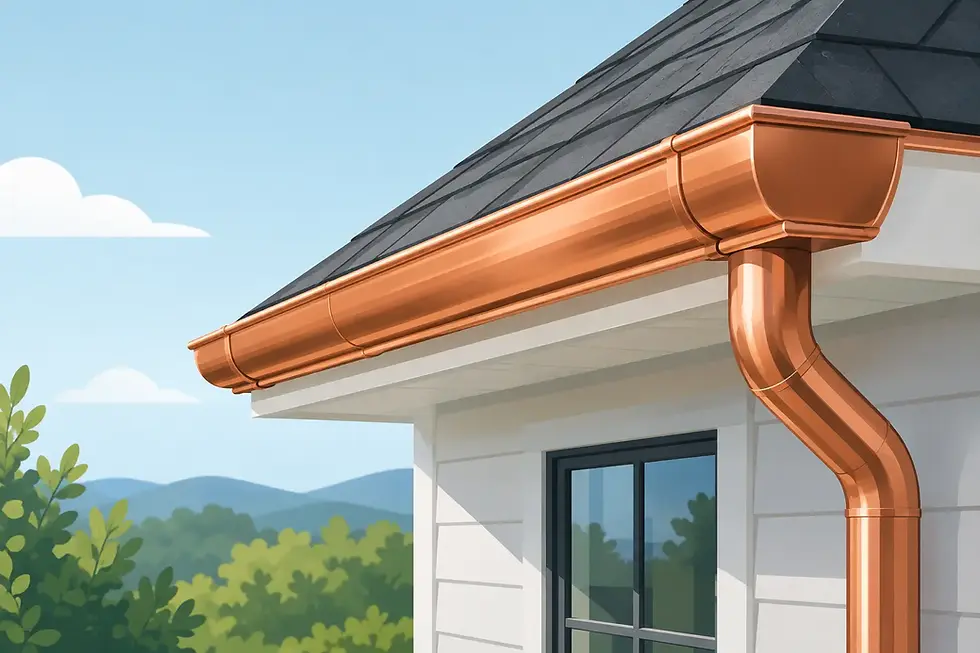
A drip edge is a thin piece of metal flashing installed along the edges of a roof. It is commonly made from aluminum, galvanized steel, or copper and is bent into a shape that carries water away from the roof edge and into the gutter.
Most homes need drip edge in two key areas. The eaves are the lower roof edges where gutters are installed. The rakes are the sloped edges along the sides of a gable roof. While the eaves usually receive the most attention because they feed the gutter system, properly installed flashing at the rakes helps protect the roof deck from wind-driven rain as well.
The metal is visible from the ground on many homes, but it should not look loose, wavy, or oversized. A good installation is secure, straight, and matched to the roof and trim color when appearance is a priority.
The Roof Drip Edge Purpose: Keeping Water Off Vulnerable Wood
Shingles are designed to shed water down the roof. They are not designed to protect every exposed roof edge by themselves. Without drip edge, rain can cling to the underside of a shingle through surface tension, then run back toward the fascia board or behind the gutter.
That repeated moisture is where expensive problems begin. Fascia boards can rot. Roof decking can soften near the edge. Soffits may stain or deteriorate, and water can find its way behind siding. If the gutter pulls away from weakened fascia, drainage gets worse and the repair grows beyond a simple flashing replacement.
Drip edge creates a clean break for the water. Instead of curling under the shingles, water is pushed outward and down, where it can enter the gutter as intended. It also protects the exposed edge of the roof decking, which is especially valuable during rainstorms that arrive with strong winds.
Why It Matters So Much in Indiana
Indiana weather puts roof edges through more than a few light showers. Spring downpours can overwhelm gutters that are clogged or undersized. Winter freeze-thaw cycles can force moisture into small gaps. Snow and ice linger at the eaves, where roof materials, gutters, and fascia all meet.
Drip edge cannot solve every drainage problem on its own. It will not compensate for gutters packed with leaves, a roof with failing shingles, or improper gutter slope. But it is one of the basic details that helps the entire roof-and-gutter system work together.
For example, a home may have new gutters but still show water stains on the fascia because the roof edge does not extend correctly into the gutter. In that case, the issue may be missing drip edge, poorly installed drip edge, or flashing that ends too far behind the gutter. Looking at the whole drainage path matters more than treating one visible symptom.
Where Drip Edge Should Sit Around Gutters
At the lower edge of the roof, drip edge should direct water into the gutter, not behind it. This sounds simple, but placement is critical. If the flashing sits behind the gutter or does not extend far enough outward, runoff can travel down the fascia instead of into the trough.
Proper layering also matters. At the eaves, the drip edge is generally installed beneath the underlayment so water sheds over the metal. Along the rakes, it is typically installed over the underlayment to help block wind-driven rain from reaching beneath the roofing materials. These details can vary with roof design and manufacturer requirements, which is one reason roof-edge work should not be treated as a quick cosmetic fix.
When gutters are replaced, a contractor should inspect the existing drip edge rather than assume it is doing its job. Older homes may have no drip edge at all. Others have bent, corroded, short, or improperly positioned flashing from a previous repair.
Signs Your Home May Have a Drip Edge Problem
You do not need to climb a ladder to notice every issue. Walk around your home after a steady rain and look for water that runs behind the gutter, dark streaks on the fascia, or drips falling from places other than the gutter downspouts.
Peeling paint on fascia or soffits is another warning sign. Paint can fail for several reasons, but chronic water exposure at the roof edge is a common cause. Soft wood, visible rot, sagging gutters, rusted gutter fasteners, and staining near exterior walls deserve a closer look too.
Inside the home, a leak at the roof edge may show up as a ceiling stain near an exterior wall. That does not automatically mean drip edge is the culprit. Damaged shingles, failed flashing, ice dams, and ventilation issues can produce similar symptoms. A careful inspection helps separate a roof leak from a drainage issue before money is spent on the wrong repair.
Drip Edge Is Not Just for New Roofs
The best time to install new drip edge is during a roof replacement, when the shingles and underlayment are already being removed. It allows the flashing to be integrated correctly from the start and provides a clear view of any damaged decking or fascia that needs repair.
Still, some homes can receive drip edge improvements without a full roof replacement. The right approach depends on the condition of the shingles, the roof edge, and the gutters. If the shingles are brittle, heavily worn, or improperly layered, forcing new metal beneath them can cause more harm than good. In that situation, it may make better sense to plan the flashing work with a larger roof repair or replacement.
Material choice also depends on the home. Painted aluminum is a practical, cost-effective option for many residential roofs. Galvanized steel offers strength but can eventually corrode if its protective finish is damaged. Copper has a premium look and long service life, particularly on higher-end exterior projects, but it comes with a higher upfront cost. The best choice is the one that fits the roofing materials, gutter system, budget, and desired appearance.
A Small Detail That Supports Better Gutter Performance
Homeowners often focus on gutter size, guards, and downspout placement, and those are all worthwhile considerations. Yet water has to reach the gutter correctly before any of those upgrades can perform at their best. A properly installed drip edge helps prevent water from bypassing the system at the very first step.
It also helps protect the surface where gutters are mounted. Strong hangers and properly pitched gutters are valuable, but they cannot hold securely for long if the fascia behind them has been repeatedly soaked and weakened. Protecting that wood helps preserve the gutter installation and the appearance of the trim.
Regular gutter cleaning remains part of the picture. When leaves and debris block the trough or downspouts, water can back up at the roof edge regardless of how good the flashing is. Keeping the system clear, checking drainage after storms, and addressing loose or damaged components early can prevent a minor issue from turning into rotted wood or an interior leak.
When to Call for a Professional Inspection
If you see water running behind gutters, peeling fascia paint, loose gutters, visible roof-edge metal, or stains after storms, it is worth having the area inspected. The goal is not to sell a repair that is not needed. It is to identify whether the problem is flashing, roofing, gutters, fascia, or a combination of issues.
A dependable contractor should explain what is happening in plain language, show you the affected areas when possible, and recommend a repair that fits the actual condition of your home. Two Men and a Gutter helps Central Indiana homeowners evaluate roof edges, gutters, and fascia together, because water protection works best when no part of the system is treated in isolation.
A straight, properly placed strip of metal may not be the most noticeable feature of your home, but it can protect some of the most vulnerable parts of it. If rainwater is missing the gutter or your roof edge shows signs of wear, addressing it now is usually far easier than repairing the rot it can leave behind.


Comments